
Kaufman Personal Training: Designing a Website for Strength, Longevity, and Real Life
A look behind the scenes of the Kaufman Personal Training website
When Peter Kaufman reached out about building a website for his personal training business, the goal was clear from the start: create a site that truly reflected the way he trains and the people he serves.
Peter isn’t interested in trends or quick fixes. His work is grounded in fundamentals, long-term progress, and helping clients stay strong and active for real life. Our job was to translate that philosophy into a website that felt personal, credible, and easy to navigate.
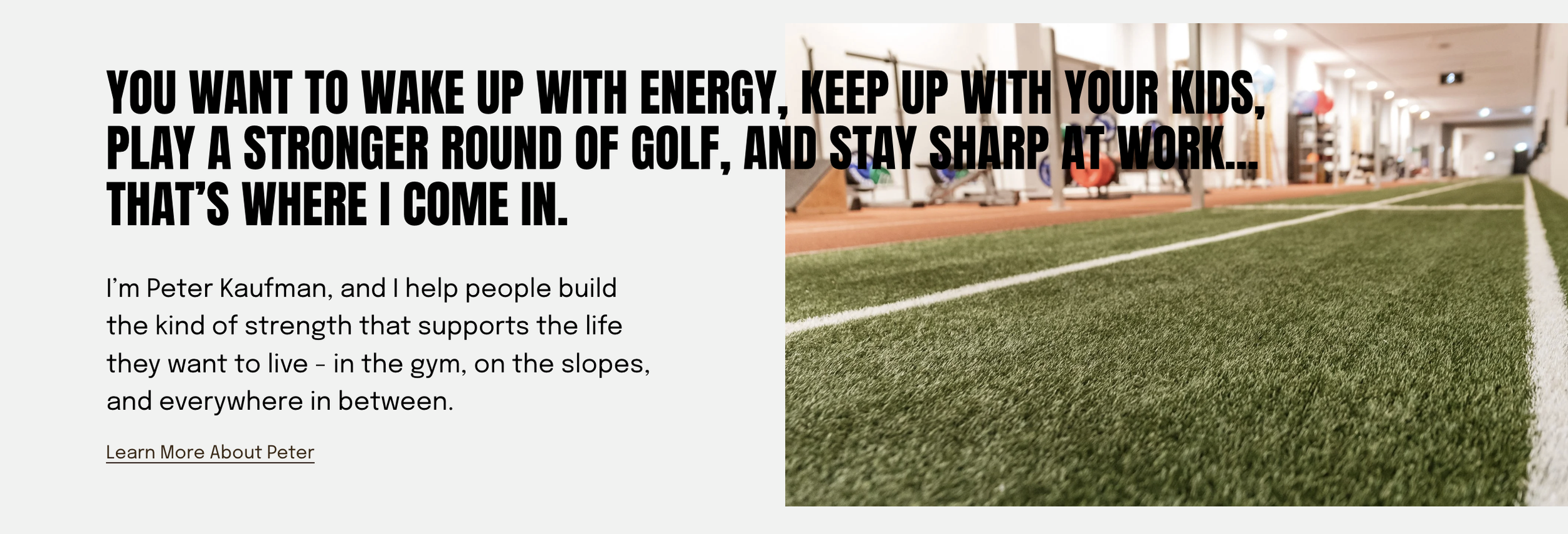
We created language and imagery that was just that - clarifying who is looking to connect with as soon as you arrive on his homepage.
Starting with clarity
We began with a kickoff meeting to define the foundation of the site and establish a steady weekly cadence so decisions could build naturally over time.
Peter shared the core of his business:
A strong focus on one-on-one training, making up the majority of his work
Deep credentials including CSCS certification, a Master’s degree, and USA Weightlifting experience
Customized training packages to fit the client
We also spent time defining his ideal client. Think active professionals in their 40s juggling work, family, and minor injuries, people who want to keep skiing, golfing, and moving well for years to come. This clarity informed every design and content decision that followed.
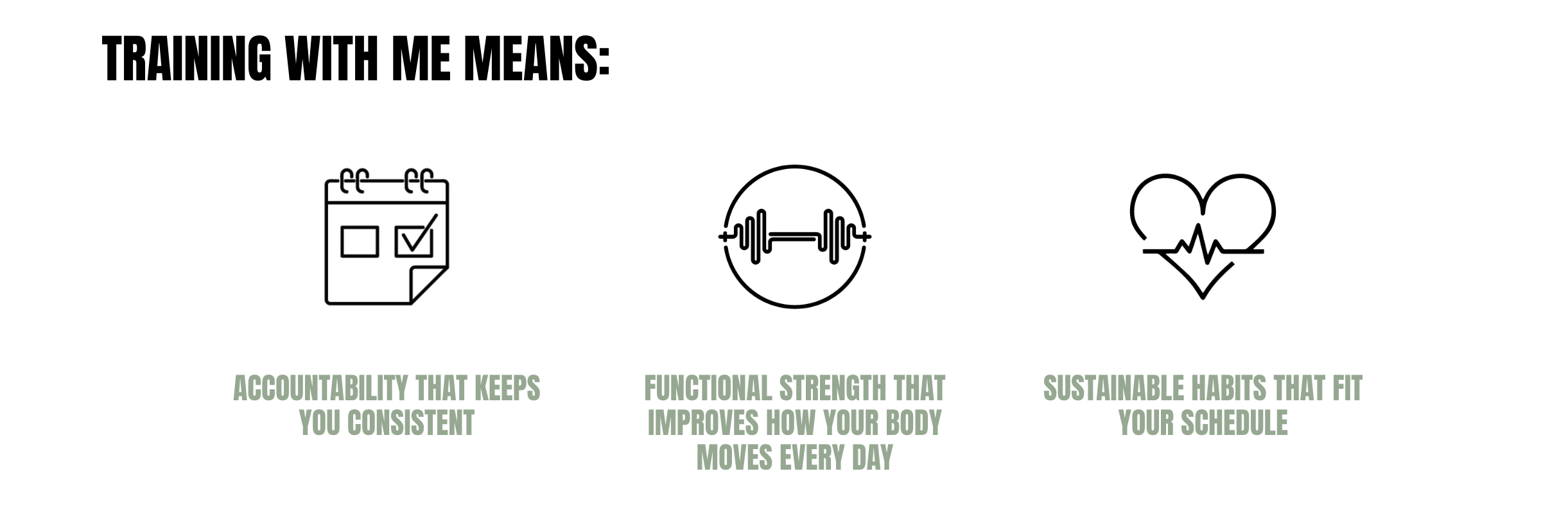
Here is another section on his homepage, helping his clients grasp exactly who they are looking to connect with.
Shaping the structure around the experience
In our working sessions, we focused on building a site structure that mirrored Peter’s real-world offerings, not a generic fitness template.
Together, we refined the sitemap and navigation to highlight:
One-on-one personal training
Small group training capped at five people for quality coaching
Buddy training options for clients who want to train together
Seasonal student athlete strength training
Specialized programs for ski and golf performance
We outlined specific session times, seasonal availability, and clear pathways for new clients to book free consultations. The goal was transparency and ease, helping visitors quickly understand what Peter offers and how to get started.
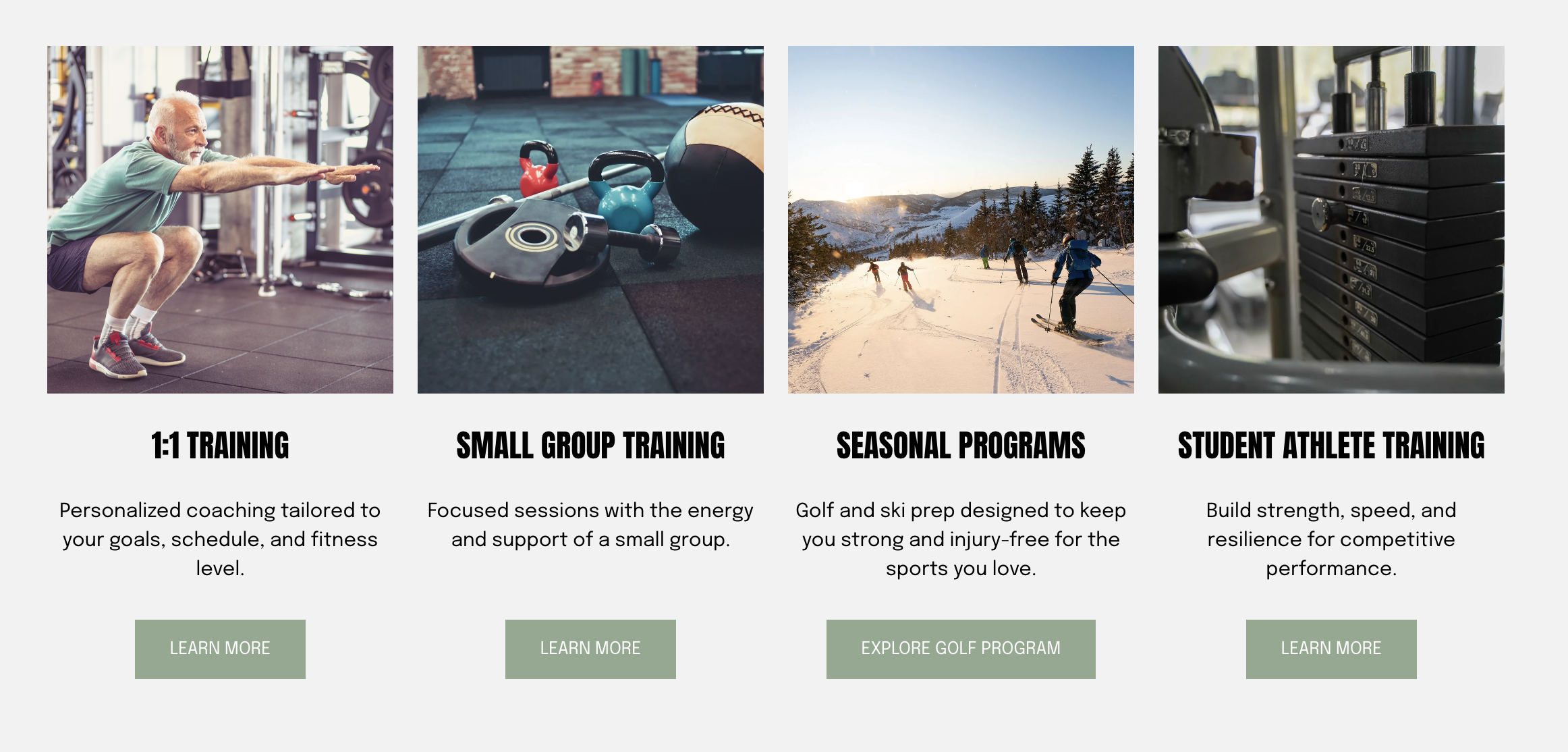
This block offers clear direction on where to go to find what you are looking for.
Content that reflects how Peter trains
As the site took shape, we moved into refining content and tone. Each page needed to sound like Peter: knowledgeable, approachable, and focused on progress over perfection.
We built pages like “Meet Peter” to establish trust and credibility, paired with testimonials and concise explanations of his approach. For specialty offerings like ski and golf training, we added personalized blurbs that emphasized fundamentals, injury prevention, and performance over flash.
From a functional standpoint, we chose an email-based contact form to protect Peter’s personal information while still gathering the details he needs to work effectively with new clients.
Design decisions that support clarity
Design-wise, we focused on clean navigation, strong typography, and imagery that felt authentic. We adjusted logo spacing to improve readability, explored imagery options ranging from headshots to equipment and lifestyle shots, and refined a color palette that felt strong without being loud.
As the site evolved, we merged ski and golf training into a cohesive seasonal programming section, making it easier for visitors to understand how Peter supports clients year-round.
Bringing it all together
In our final sessions, we reviewed call-to-action flows, blog strategy, and the Mindbody signup process to ensure everything worked seamlessly. Once final content and testimonials were in place, the domain was connected and Kaufman Personal Training officially launched.
The finished website reflects what makes Peter’s business special: personalized coaching, thoughtful structure, and a commitment to helping people train for the long run.
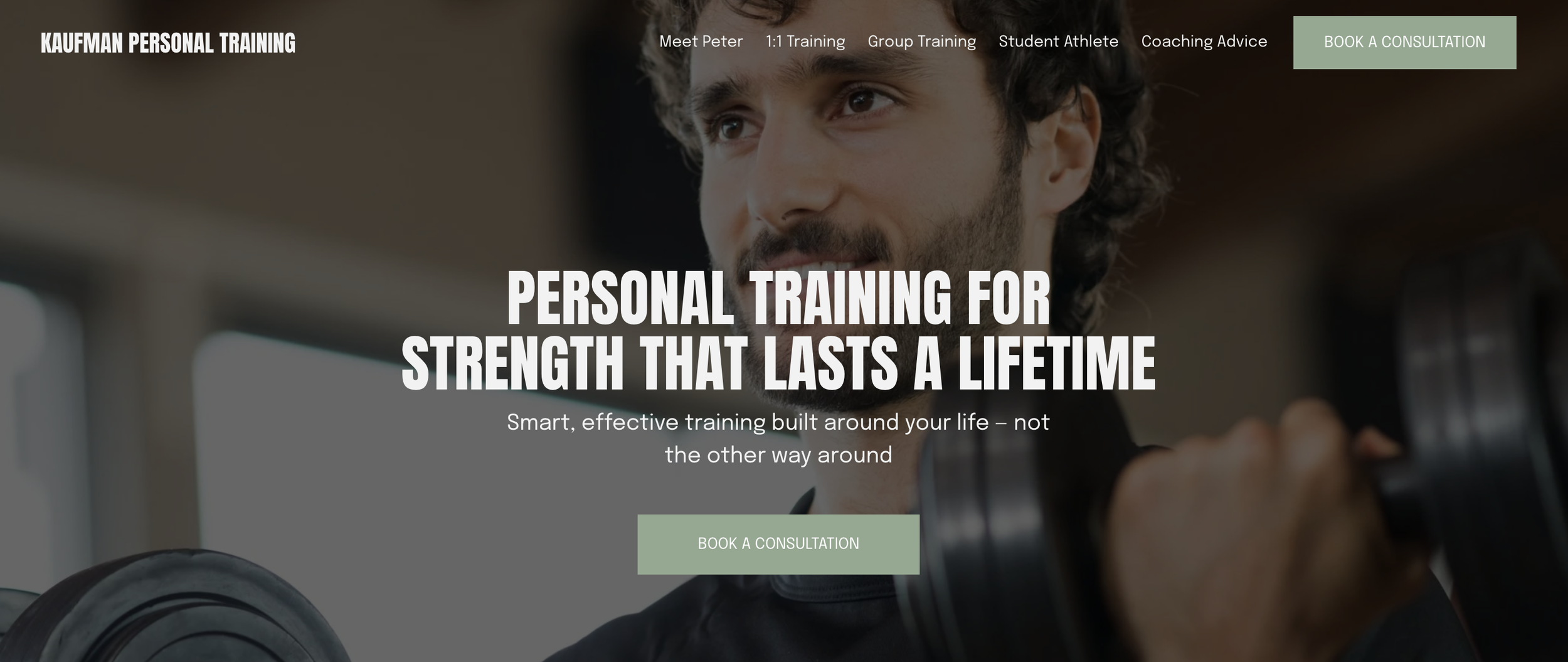
His hero image was chosen with intention and placed to allow the text to pop.
Projects like this are a reminder that the best websites aren’t just about looking good. They’re about listening closely, asking the right questions, and building something that truly supports the work behind the scenes.