
Scroll

Featured
Before any design work begins, my focus is on understanding. Design is not about decoration. It is about direction. I begin by asking questions about goals, audience, values, and context. What is working. What feels challenging. What the business wants to be known for now and where it hopes to grow.
DIY branding can be a smart and practical starting point. In the early stages of a business, it allows you to get visible quickly, test ideas, and begin connecting with an audience without a large investment. At this stage, the goal is not perfection. It is momentum. DIY branding can support that by helping you learn what resonates and what feels aligned.

A logo is often treated as the centerpiece of a brand, but on its own, it can only do a small part of the work. A brand system is what allows a logo to function effectively over time.
An established brand is not defined by how long a business has existed. It is defined by how clearly and confidently it shows up. Brands that feel established tend to be consistent. Their messaging, visuals, and tone work together instead of competing for attention. There is a sense of intention behind the choices, even when the execution is simple.

Every phase of the branding process has value, but my favorite part happens before anything visual takes shape. It is the moment when things begin to click.

One of the biggest shifts I see clients experience is what happens when clarity replaces uncertainty. Before clarity, decisions feel heavy. Messaging feels inconsistent. Confidence wavers.

Trying to appeal to everyone is one of the quickest ways for a brand to lose clarity. When branding is stretched too broadly, it often becomes vague, diluted, and harder to connect with.

Trends move quickly. What feels fresh and exciting today can feel dated sooner than expected. But connection lasts. And in branding, lasting connection is far more valuable than keeping up.

Every project starts long before design begins. Before colors, type, or layouts, my focus is on listening. I want to understand not just what a client needs, but why they need it and what they want their business to feel like as it grows.
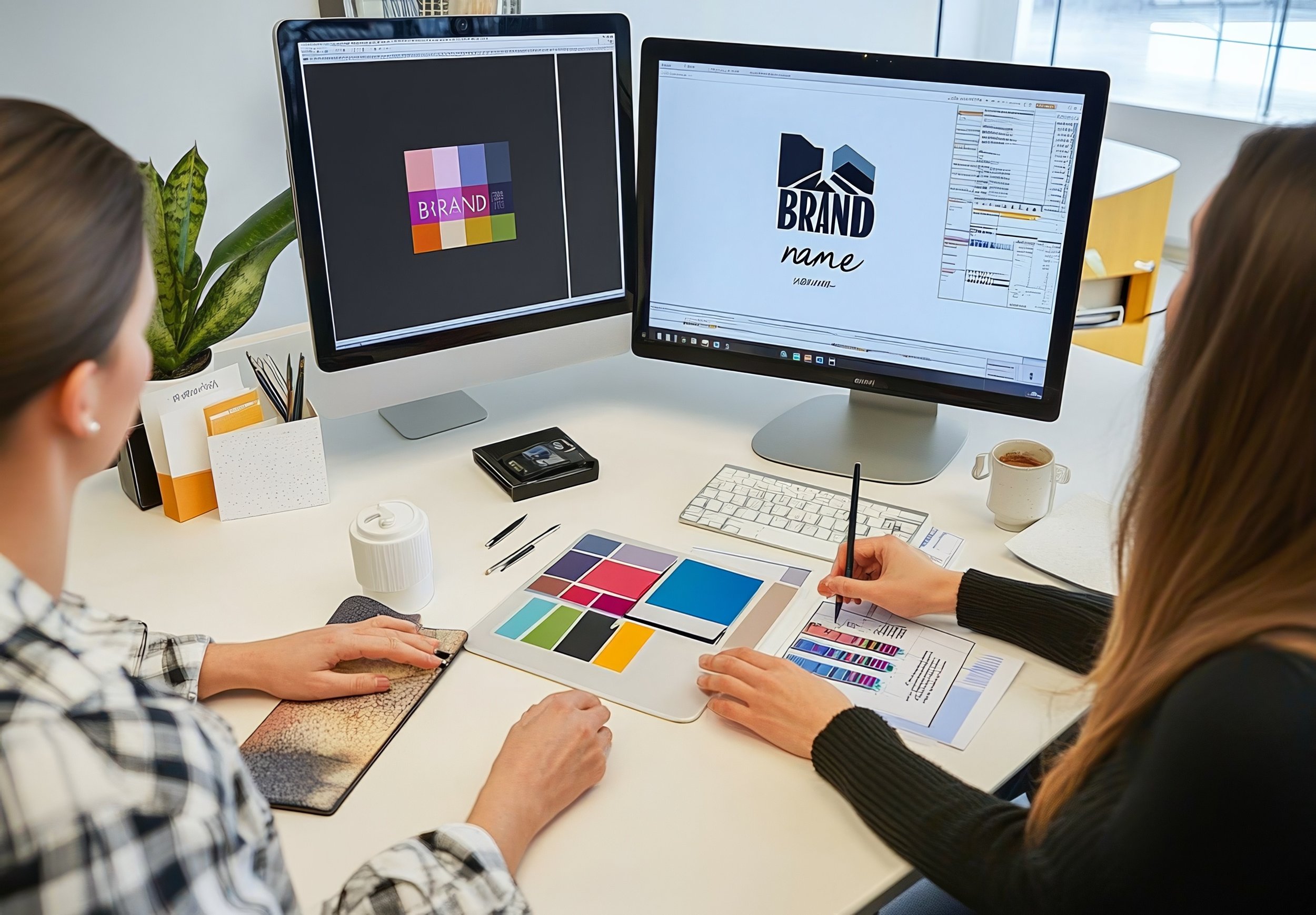
It’s normal for a business to change over time. What you offer evolves. Your experience deepens. Your audience becomes clearer. But often, branding is left behind, quietly representing a version of your business that no longer fully exists.
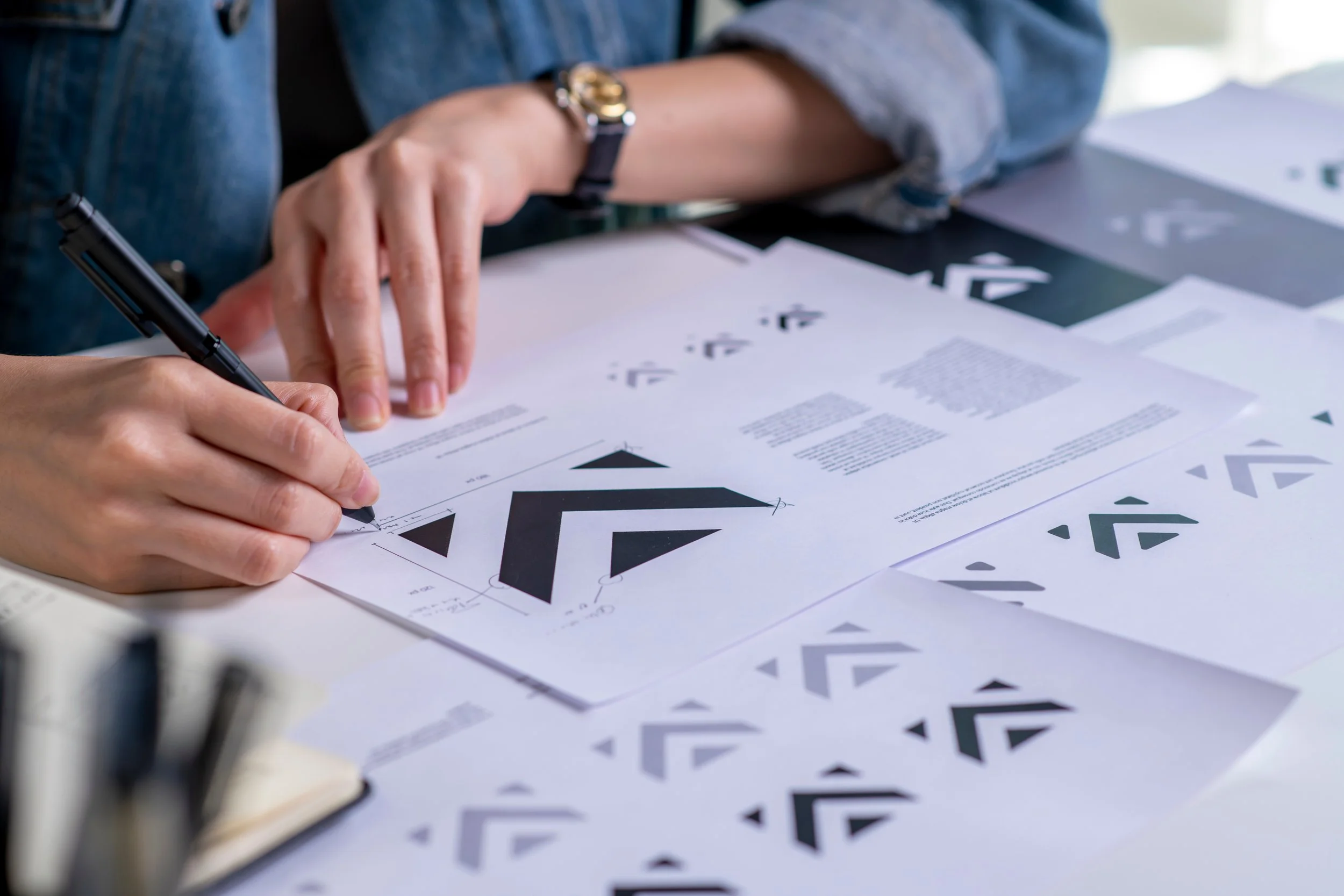
Logos tend to carry a lot of pressure. They are often treated like the thing that will finally make a business feel legitimate, recognizable, or professional. The moment everything clicks into place. But that expectation is where most people get it wrong.
Branding gets talked about like it is a logo, a color palette, or a finished website. And while those things matter, they are not the heart of it. Good branding is quieter and deeper. It is not just what people see. It is what they feel, remember, and trust.











Adding new features to your Squarespace website can enhance user experience, streamline business operations, and improve functionality. However, before implementing changes, consider these key factors:

Your website should evolve as your business grows. If your site looks outdated, it may be time for a redesign. Here are some signs that indicate it’s time for a website refresh:

A static website can quickly become outdated and lose visitor engagement. Keeping your Squarespace website fresh with new content is essential for SEO, brand relevance, and maintaining an active online presence.
Your website is often the first impression potential customers have of your business. But if it’s outdated, slow, or missing important information, it could drive visitors away. Regular website updates are crucial for keeping your business relevant and competitive. Here’s why:
Squarespace is a fantastic platform for building a beautiful, functional website, but if you want to attract more visitors, you need to focus on search engine optimization (SEO). Here are some key strategies to improve your Squarespace site's ranking on Google and other search engines.